SPF without volunteers? The cosmetics market is taking a new direction

Just a few years ago, determining SPF values without human involvement seemed like a distant possibility—more of a concept than a real standard. Today, it is becoming a reality, one that is beginning to redefine how we think about testing sunscreen products.

This change is not solely the result of technological progress. It is a response to specific tensions between the expectations of regulators, manufacturers in the cosmetics industry, and consumers themselves.

Why do traditional in vivo methods and tests on volunteers raise concerns?

In vivo SPF testing, although considered the gold standard (in accordance with ISO 24444), has long been the subject of controversy. First, there were ethical concerns. Testing on volunteers, which involved exposing their skin to UV radiation, became increasingly difficult to justify in the context of growing public sensitivity.

Second, the reproducibility of results. Even when following a rigorous protocol, the biological variability among participants influenced the final outcome. For the manufacturer, this posed a risk; for the regulator, it presented an interpretive challenge regarding how reliably to determine the declared sun protection factor.

Third, time and cost. The in vivo method is logistically complex, requiring the recruitment of participants, medical supervision, and compliance with a range of formal requirements. In practice, this prolongs the product launch process.

ISO 23675:2024 – a breakthrough in determining the Sun Protection Factor using the in vitro method

The introduction of ISO 23675:2024 is not merely an update to the methodology. It represents a fundamental shift in the approach to evaluating the effectiveness of sun protection. The new standard describes an in vitro method for determining the Sun Protection Factor, which allows for precise measurement without the need for human volunteers.

The test is based on the analysis of radiation transmission through a layer of the product applied to a suitable substrate simulating skin or PMMA plates, using advanced spectrophotometric techniques.

From a regulatory standpoint, this is a step toward harmonization with global trends. Increasing emphasis is being placed on:

  • reducing human testing,
  • enhancing the reproducibility of results and the stability of SPF values,
  • and enabling the standardization of methods across laboratories.

Importantly, the in vitro method is not merely a “substitute.” It allows for better control of conditions and a thorough examination of how the filter behaves across a broad spectrum—from UVB to UVA.

Measuring UVA and UVB radiation and accurately assessing the effectiveness of cosmetics

What is most interesting about this shift, however, is not the move away from in vivo methods per se. The key point is that in vitro testing is beginning to be seen as a more operationally reliable tool.

This reverses the previous narrative. For years, methods that do not involve humans were treated as a compromise. Today, they are increasingly the first choice—not because they are “good enough,” but because they provide greater control over the outcome and allow for the precise determination of the critical wavelength and the overall efficacy of cosmetics.

SPF Values Under Control – Benefits of the New Procedure for the Cosmetics Industry

The implementation of an approach compliant with ISO 23675 (Cosmetics — Sun protection test methods — In vitro determination of sun protection factor) opens up several specific opportunities:

  1. Accelerated R&D: Faster assessment of UV protection efficacy as early as the formulation development stage.
  2. Improved comparability: Standardized conditions limit the influence of external factors on the SPF.
  3. Risk reduction: Consistent results are crucial for PIF documentation. Today, every sun protection product must have solid evidence to back up its claims.

It is also worth noting the communication aspect. Consumers are interested in how a given sunscreen has been tested. Information about modern tests that do not involve animals or humans is a strong marketing asset.

How to implement SPF labeling in accordance with the new in vitro method?

The biggest mistake is to view the new ISO standard solely as a technical change. It is a process that should encompass:

  • R&D processes – incorporating testing at an early stage of design.
  • Quality departments – updating verification procedures and recommendations for batch control.
  • Regulatory affairs – aligning documentation with the ISO 23675 standard.
  • Marketing – effectively communicating product safety and efficacy.

Why is the sun protection factor (SPF) measured using a non-human method the new standard?

The history of regulation shows that when a method emerges that is both more ethical and more reliable, it eventually becomes the standard. UVB and UVA radiation pose a real threat, which is why accurate measurement of protection is a priority for regulatory authorities.

ISO 23675:2024 meets all these criteria. This is not a passing trend, but a sign of the direction future market recommendations will take.

Competitive advantage in the SPF value assessment – time to implement new procedures.

The biggest difference isn’t that a particular method exists, but when we start using it. Those who master in vitro drug screening early on will gain predictability in an area that determines market success.

SPF testing methods at J.S. Hamilton – professional measurement and analysis in accordance with ISO 23675:2024.

At J.S. Hamilton Poland, we are equipped to conduct sun protection tests in accordance with ISO 23675:2024. We support manufacturers in the practical implementation of these methods—from sample requirements and measurement to the interpretation of results within the regulatory context.

If you would like to find out how the new requirements will affect your cosmetic product, please feel free to contact us.



* required fields

The administrator of personal data is J.S. Hamilton Poland Sp. z o.o. with headquarters in Gdynia, ul. Chwaszczyńska 180, 81-571 Gdynia. We have appointed a Data Protection Officer who can be contacted by letter or by e-mail: iodo@jsh.com.pl

Happy Easter!

On the occasion of Easter, we wish our customers and business partners peace, spring joy and warmth.

May this special time be filled with optimism and bring you moments of relaxation with your loved ones.

Merry Christmas and a Happy New Year!

May we send our best wishes and seasonal greetings to all of our Customers and Business Partners, with the hope the coming year 2026 bring you and your loved ones good health, happiness and many joyful moments.

Video: The J.S. Hamilton Laboratory in Gdynia is now completely functional.

We are delighted to announce you that the J.S. Hamilton Laboratory in Gdynia is fully operational and offers a comprehensive range of services related to the testing of food and dietary supplements.

We are happy to show you a video that shows what we do every day, how we organize our analytical processes, and how our specialists work.

Our 745 square meter facility houses labs conducting research on nutritional value, vitamins and dioxins, classical, physico-chemical and instrumental analyses.

We encourage you to view the video!

Risks associated with the transport of fumigated grain [VIDEO]

Grain is one of the most frequently transported cargoes arriving at cargo terminals in ports, but not everyone knows that such cargo can pose a real threat to the health and lives of drivers and other people involved in the transshipment process. Fumigation is often used to protect cargo from pests.

We invite you to watch the video to learn more about the risks associated with the transport of fumigated grain.

Overall Migration vs. Specific Migration: Why is one test not enough to ensure food safety?

When it comes to requirements for materials and articles intended to come into contact with food (FCM), understanding key concepts is of fundamental importance. Consumer safety depends on accurate risk assessment, which requires distinguishing between terms that are often confused. In this article, we will explain the difference between overall and specific migration, as defined in Regulation (EU) No 10/2011, and show why this distinction is so important for ensuring food safety.

Overall migration: An indicator of stability, not safety!

It is often believed that overall migration testing is sufficient to assess the safety of FCMs. Nothing could be further from the truth! Overall migration, in the context of Regulation (EU) No 10/2011, is primarily used to assess the inertness of a material, i.e. its overall ‘neutrality’ towards food. This test allows us to determine whether the material releases excessive amounts of non-volatile substances in a specific food simulant and under specified conditions, in accordance with Article 12 of the Regulation.

This is undoubtedly a basic compliance test that must be carried out for all plastics intended to come into contact with food. It acts as a kind of ‘filter’ that allows materials with high overall migration to be rejected. However, a positive result in the overall migration test is by no means equivalent to a full FCM safety assessment. Why? Because overall migration does not provide information on which specific substances are migrating or whether they are toxic.

In summary, overall migration is a test of material inertia, essential for assessing compliance with Article 12 of Regulation (EU) No 10/2011, but insufficient for assessing safety. It is only the sum of non-volatile substances migrating from material.

So what should be done to achieve full compliance with the requirements?

Specific migration: The key to health risk assessment

A true safety assessment of a food contact material is based on specific migration. It allows the migration of individual substances to be identified and measured, both intentionally added substances (IAS) and non-intentionally added substances (NIAS).

This brings us to the heart of the matter, which is particularly emphasised by the latest amendment to Regulation (EU) No 10/2011, the so-called ‘Quality Amendment’. It reinforces the need to identify and assess NIAS that may appear in FCM as a result of manufacturing processes, material degradation or contamination. Ultimately, it is specific migration that allows us to answer the key question: can migrating substances pose a risk to human health?

This fits perfectly with the fundamental principle contained in Article 3 of Regulation (EC) No 1935/2004 on materials and articles intended to come into contact with food, which states that:

“Materials and articles (..) shall be manufactured in compliance with good manufacturing practice so that (..) they do not transfer their constituents to food in quantities which could:

  • pose a risk to human health;
  • cause unacceptable changes in the composition of food;
  • cause deterioration in the organoleptic properties of food. “

Only by testing specific migration can the first and most important point be verified – whether the migrating substances pose a risk to human health. Overall migration, although necessary, does not provide this critical information.

Summary

Overall migration is a test of material inertia, essential for assessing compliance with Article 12 of Regulation (EU) No 10/2011, but insufficient for assessing safety. It is only the sum of non-volatile substances.

Specific migration is key to assessing the safety of FCMs, allowing the identification and assessment of risks associated with the migration of both intentionally added substances (IAS) and unintentionally added substances (NIAS).

Full FCM safety can only be ensured through a comprehensive analysis that takes into account both overall migration requirements and a detailed assessment of migrating substances (specific migration) in accordance with the latest guidelines and Good Manufacturing Practice (GMP).

If you have any questions or concerns, J.S. Hamilton Experts are at your service.

Contact Form

Merry Christmas and a Happy New Year!

May we send best wishes and seasonal greeting to all our Customers and Business Partners, together with prosperity and good health for everyone and their families in 2025.

The Truth in Packaging: Let’s Talk About Facts

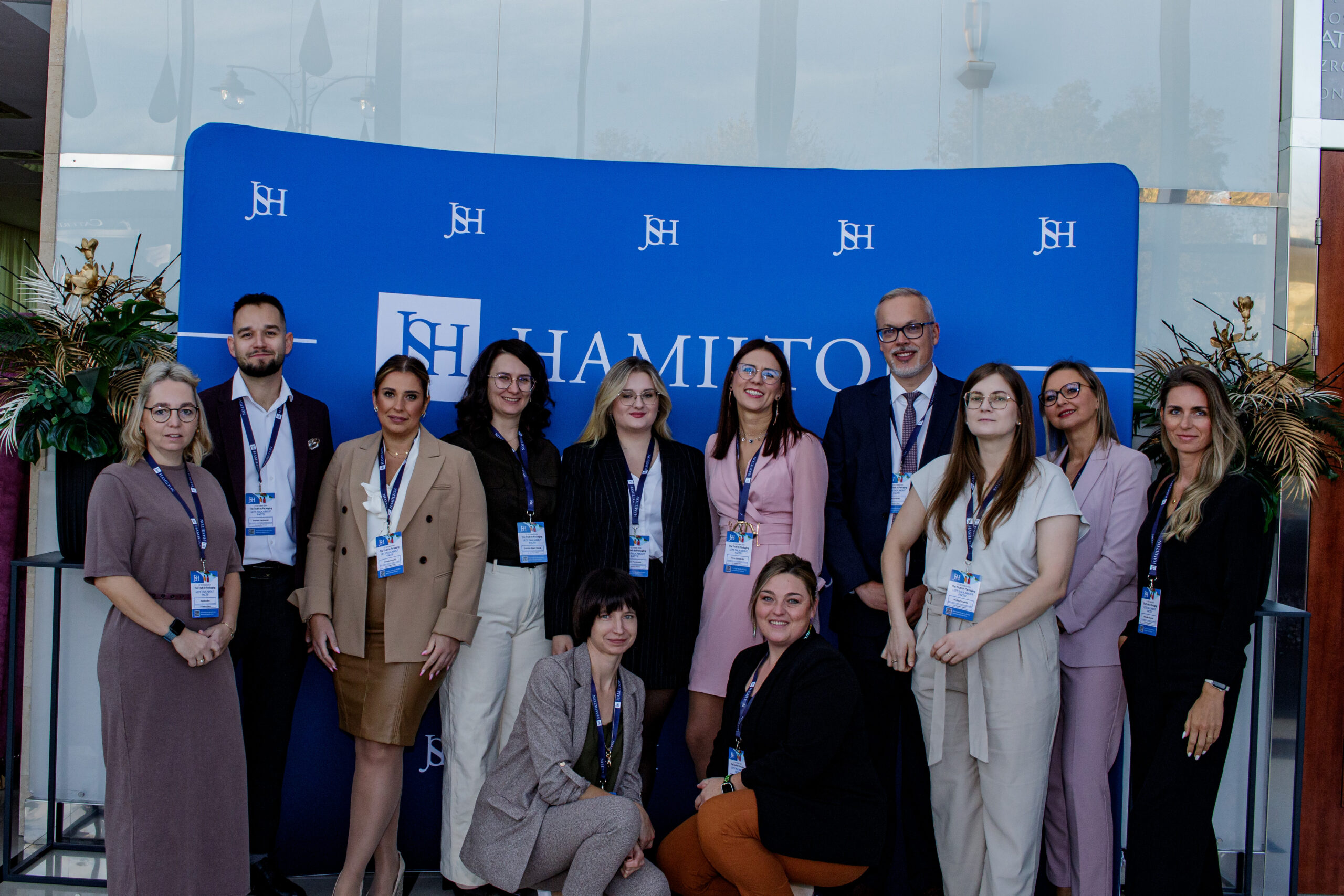
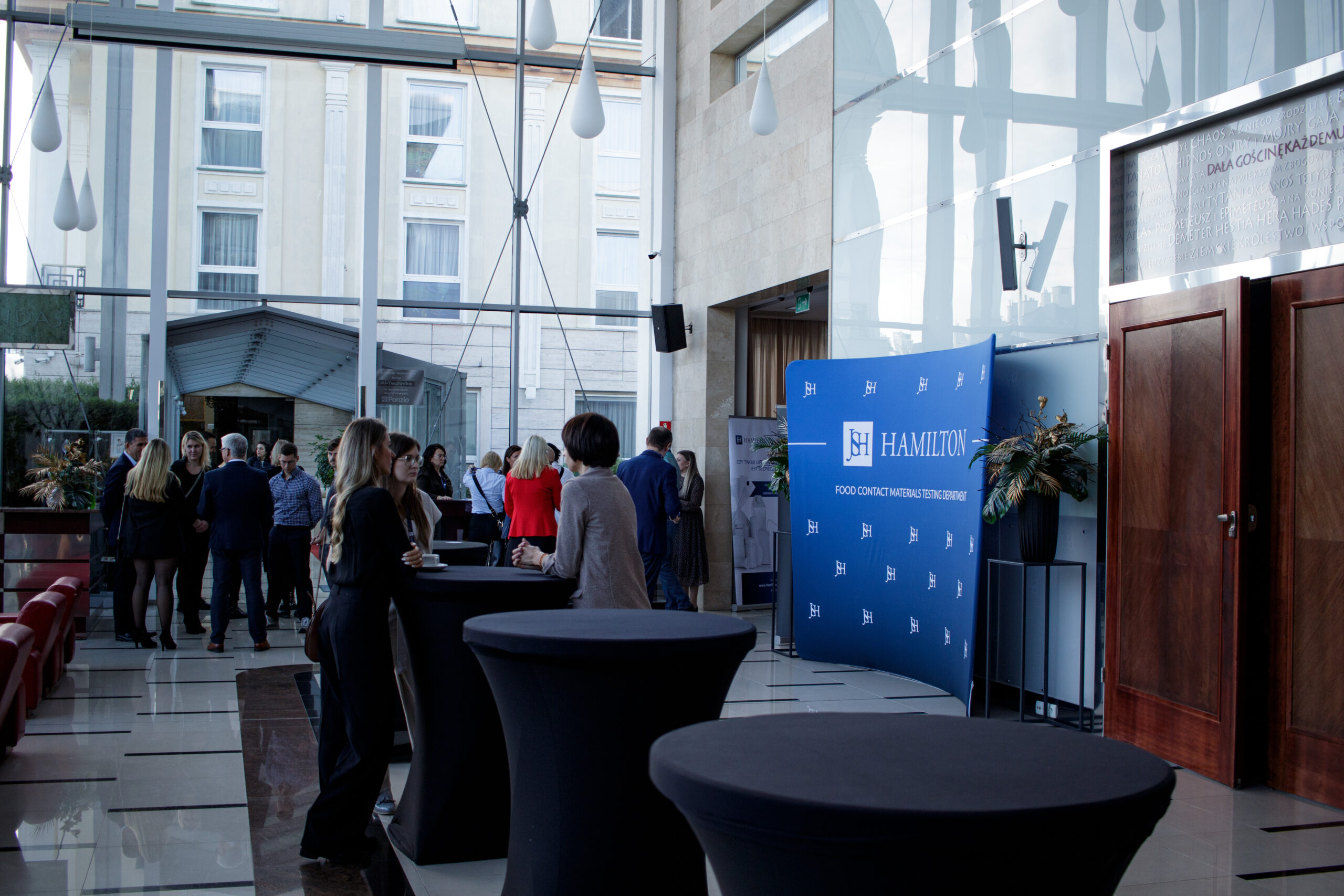
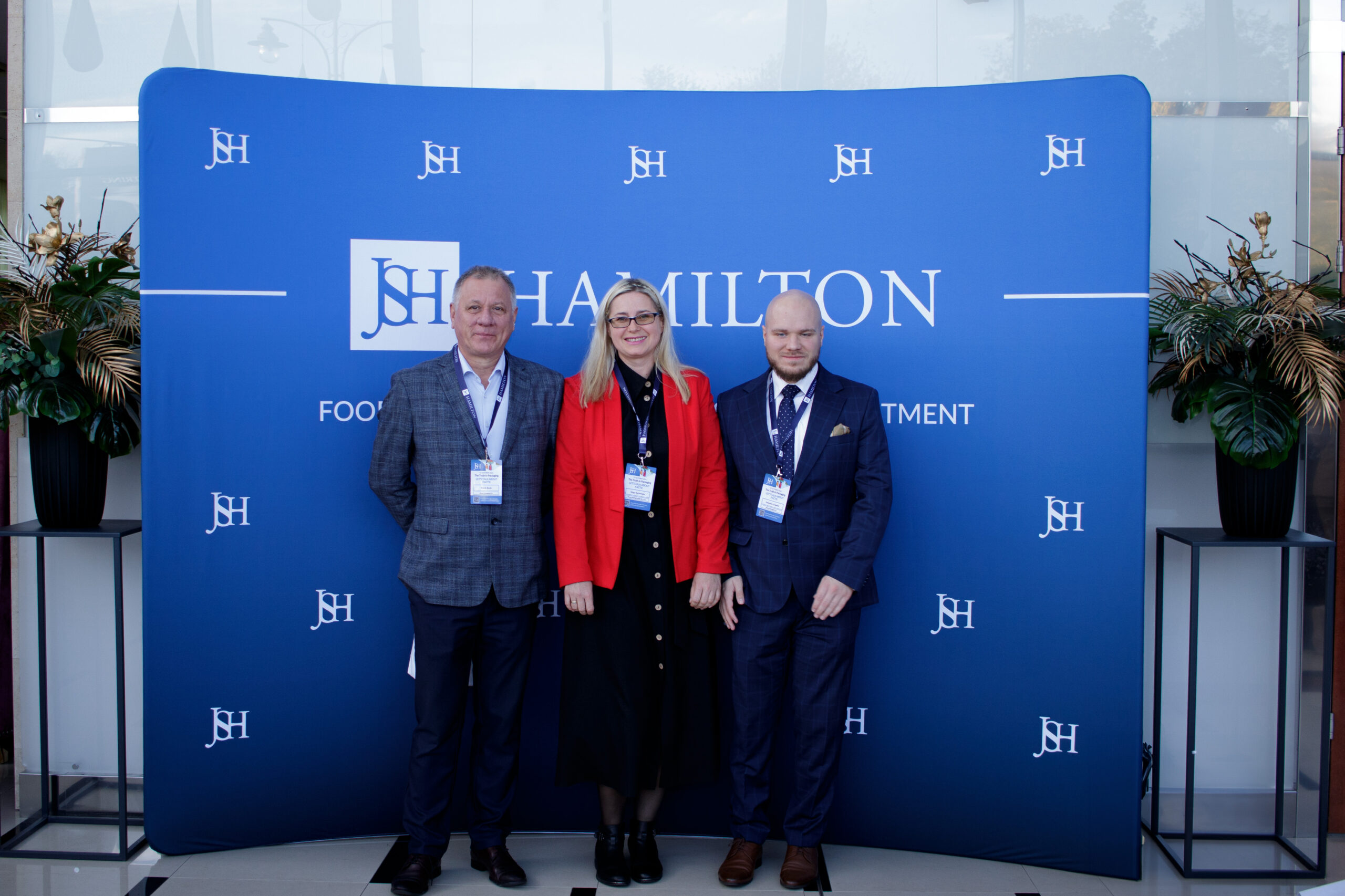
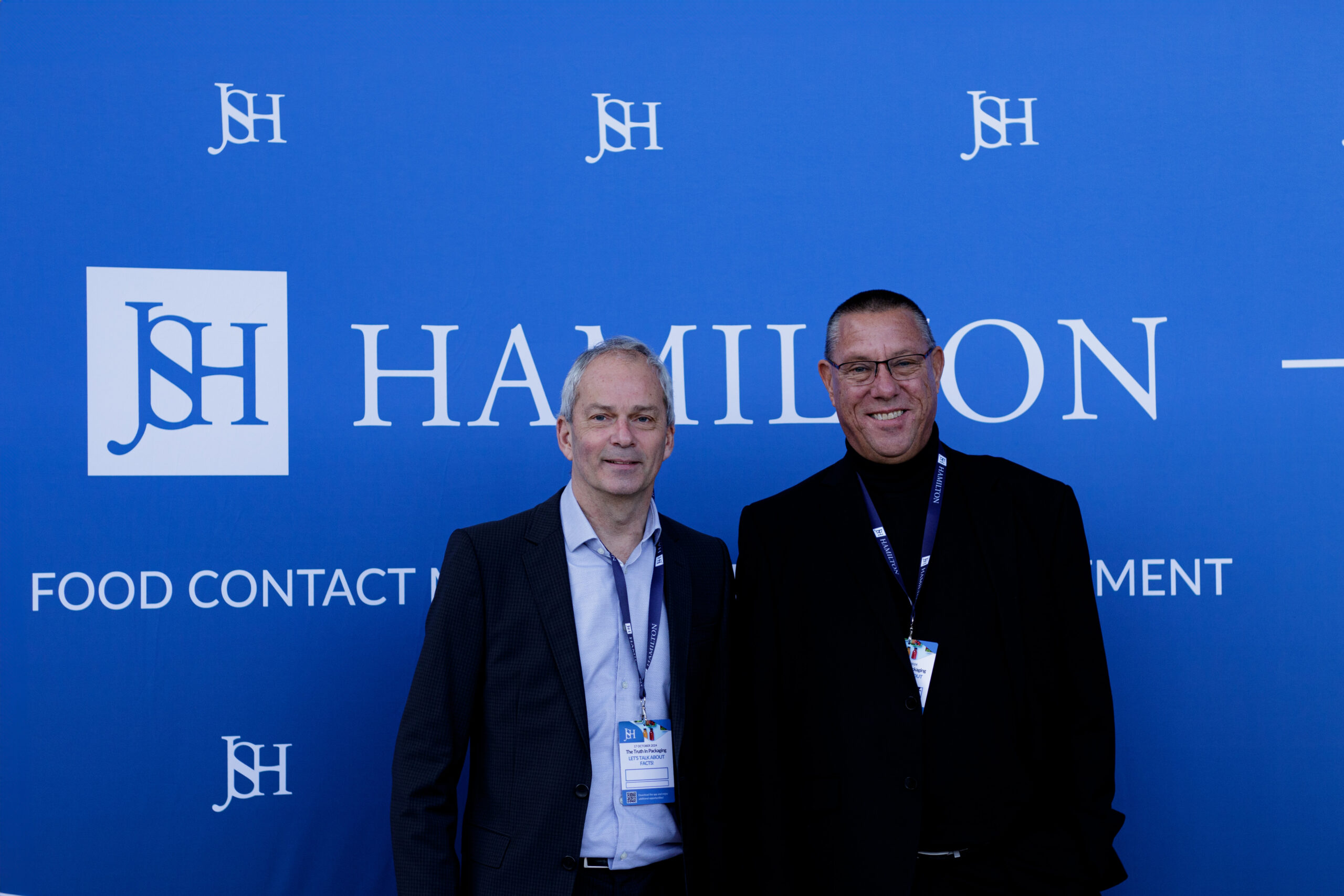
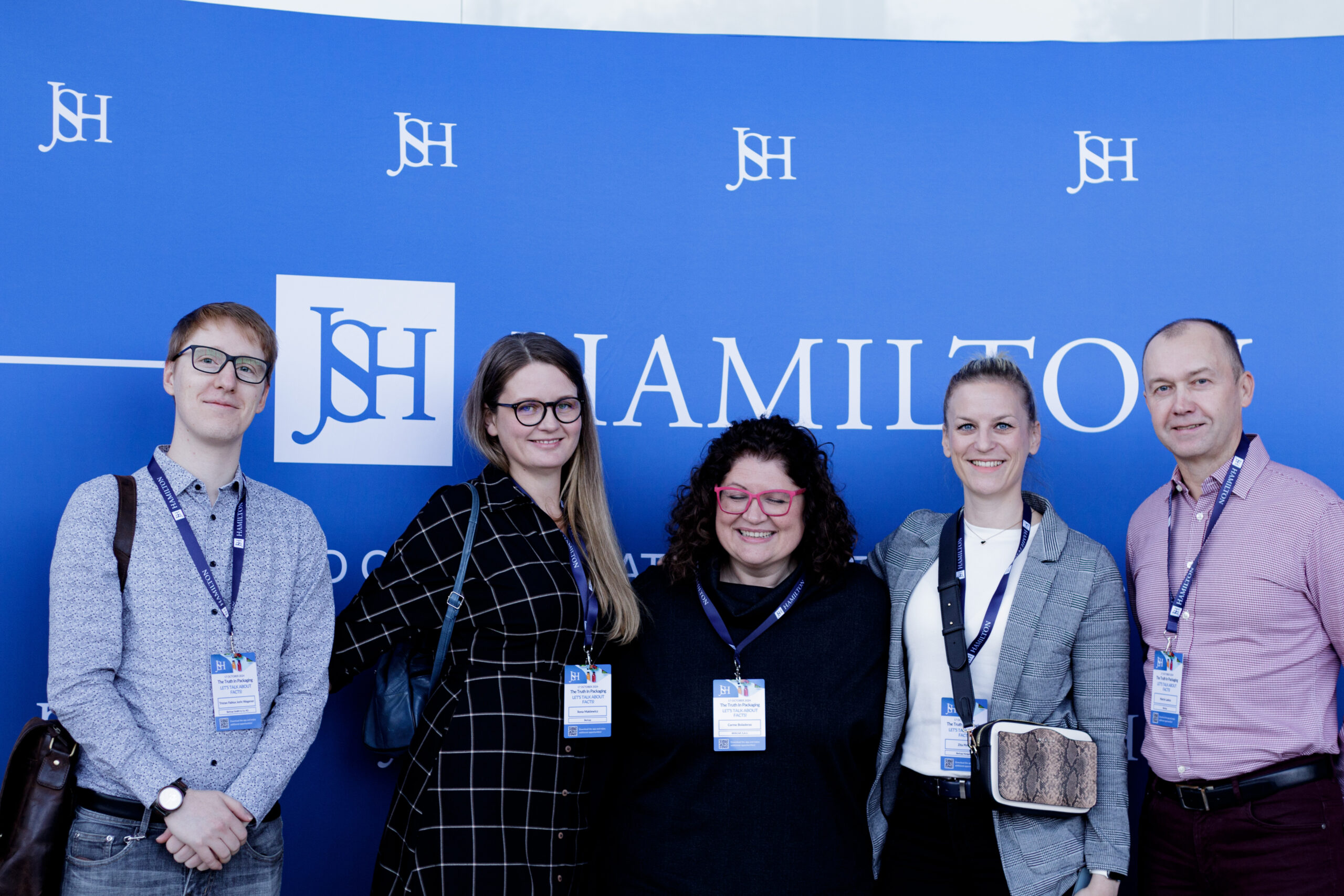
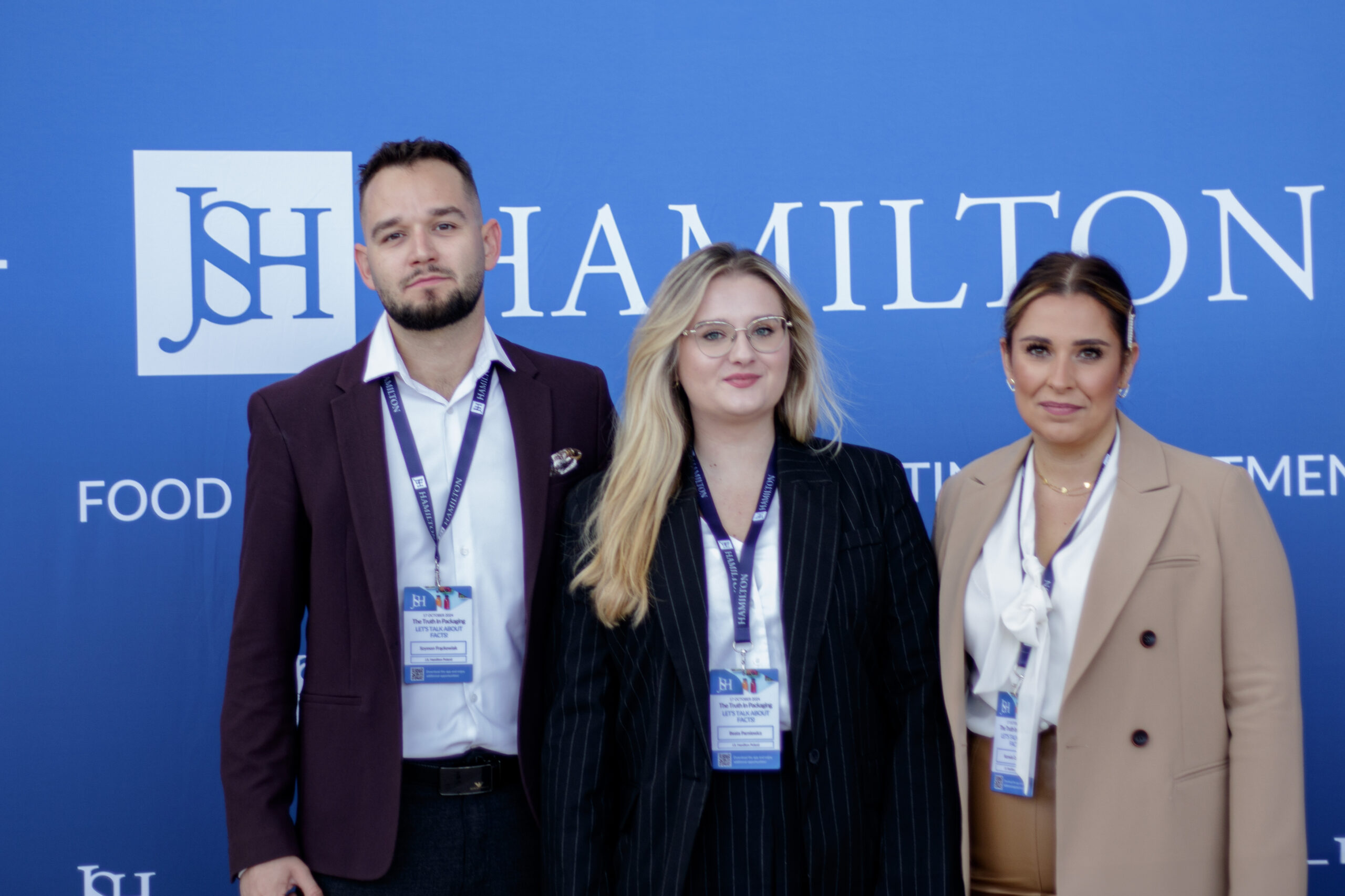
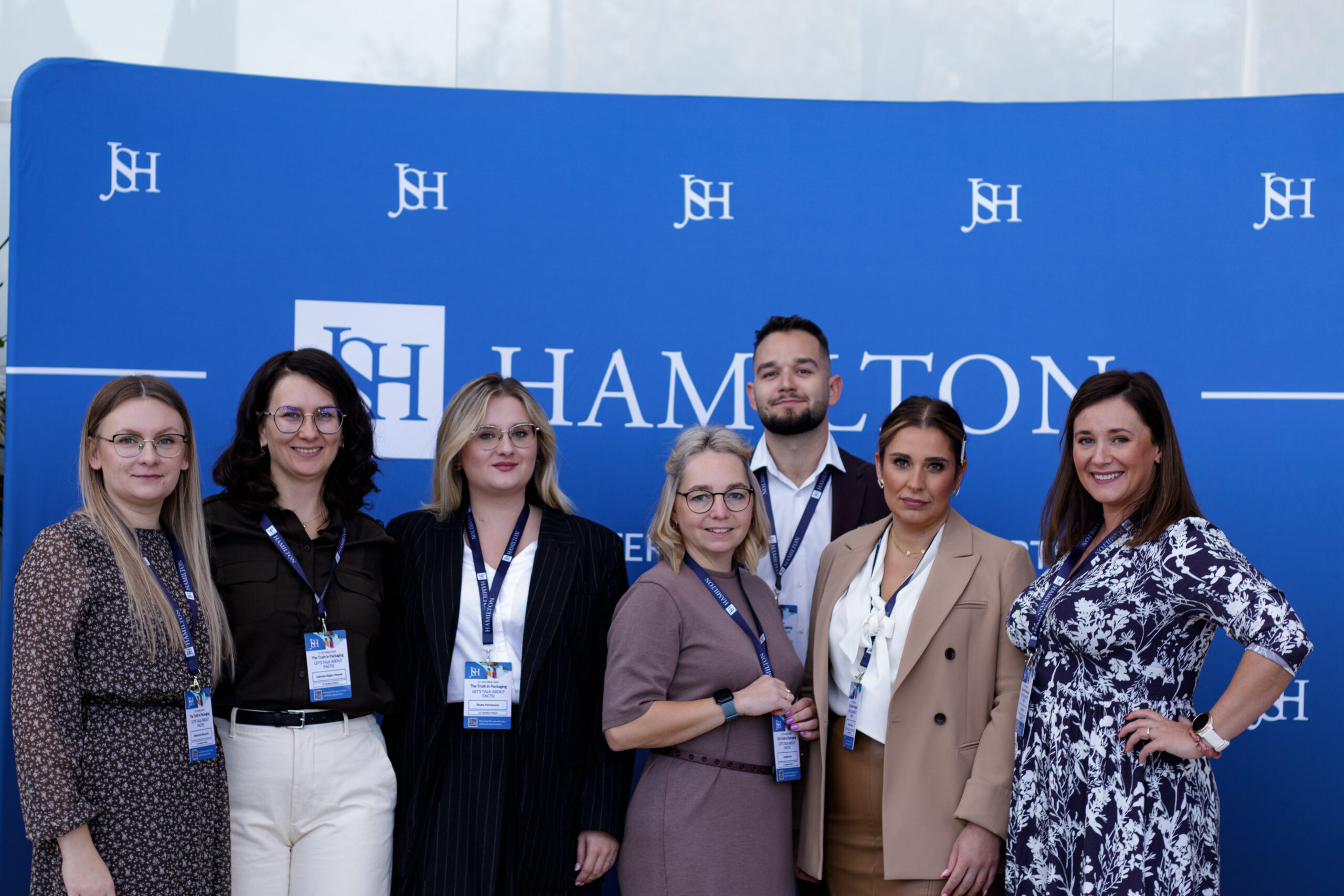
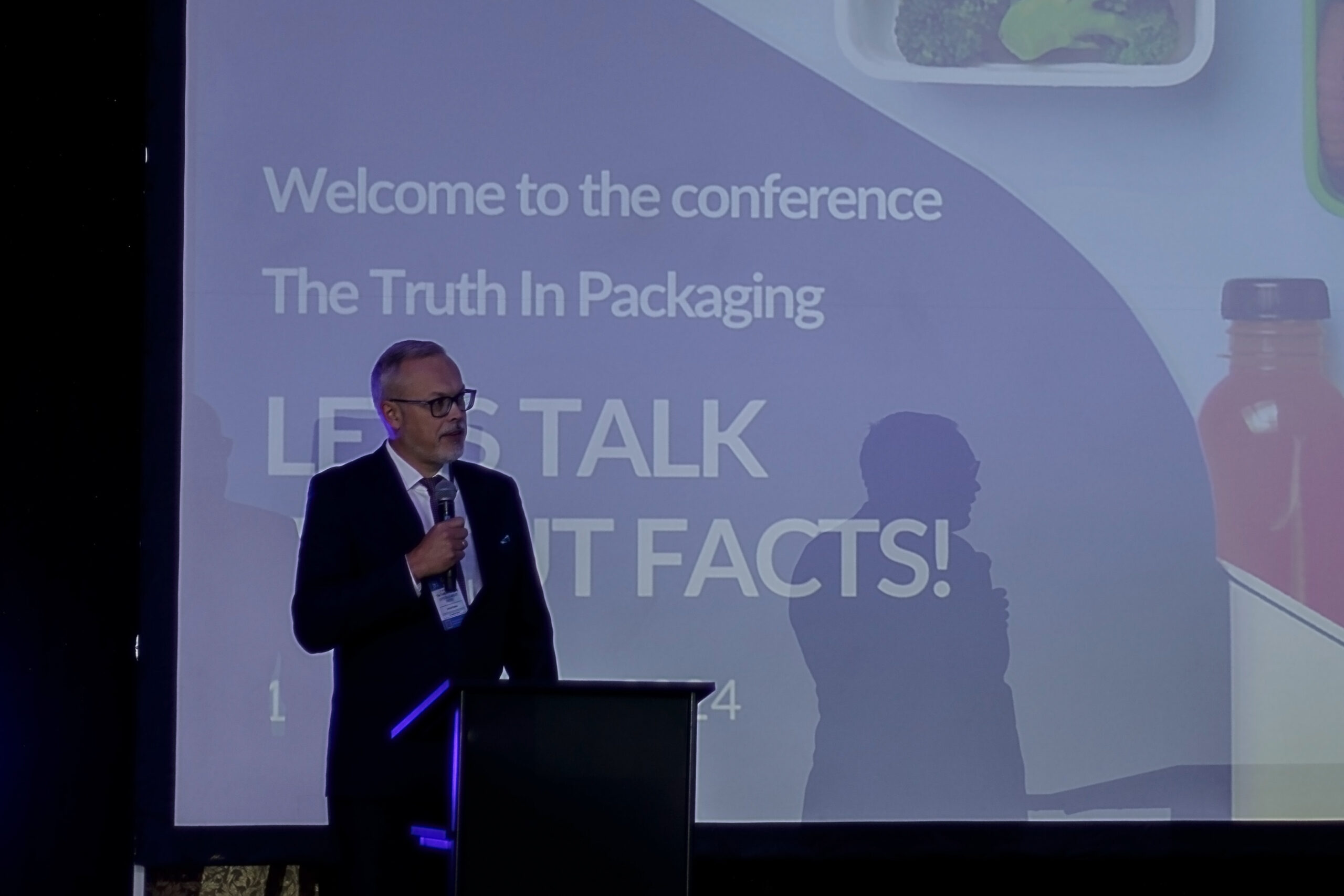
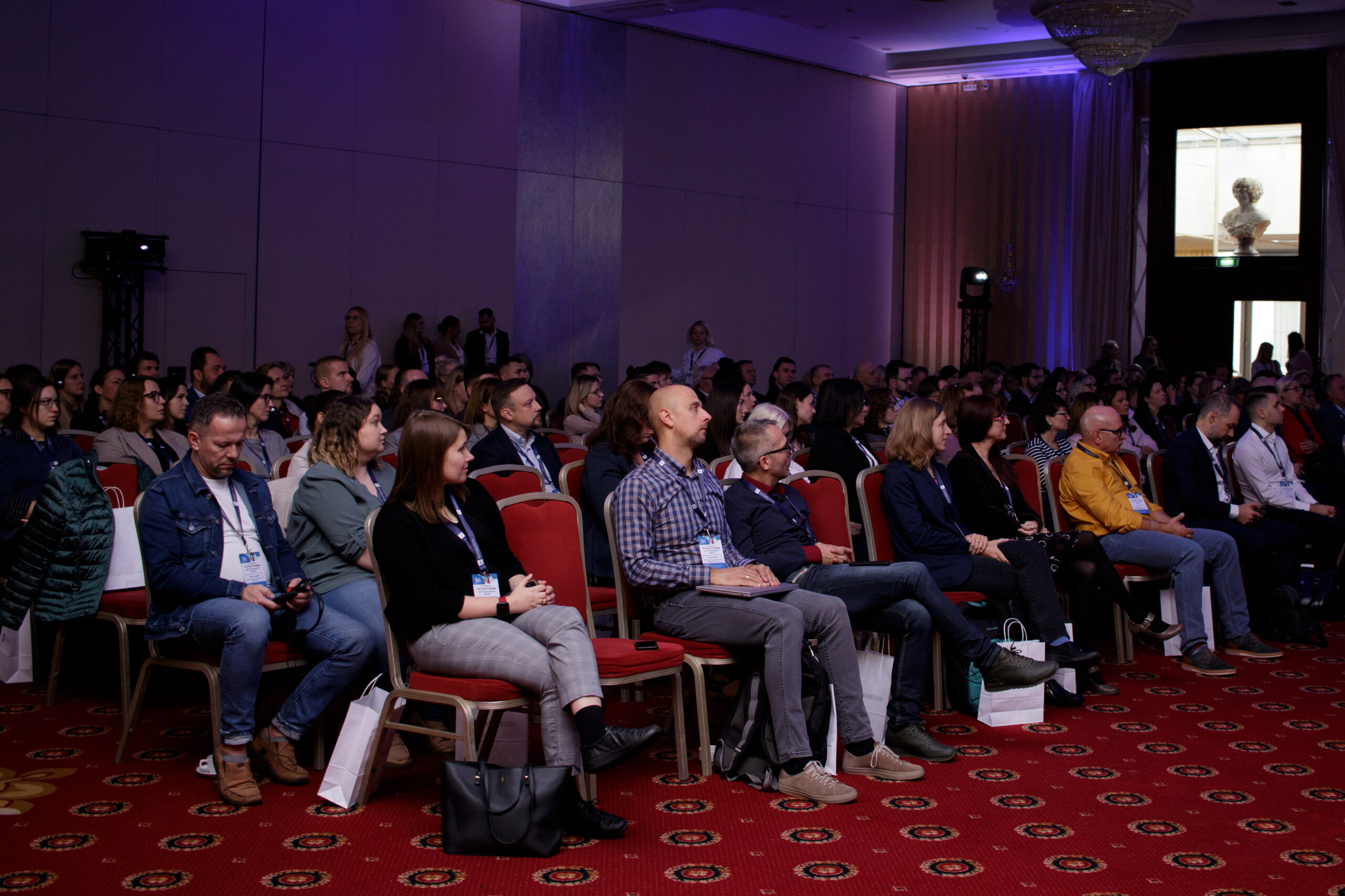
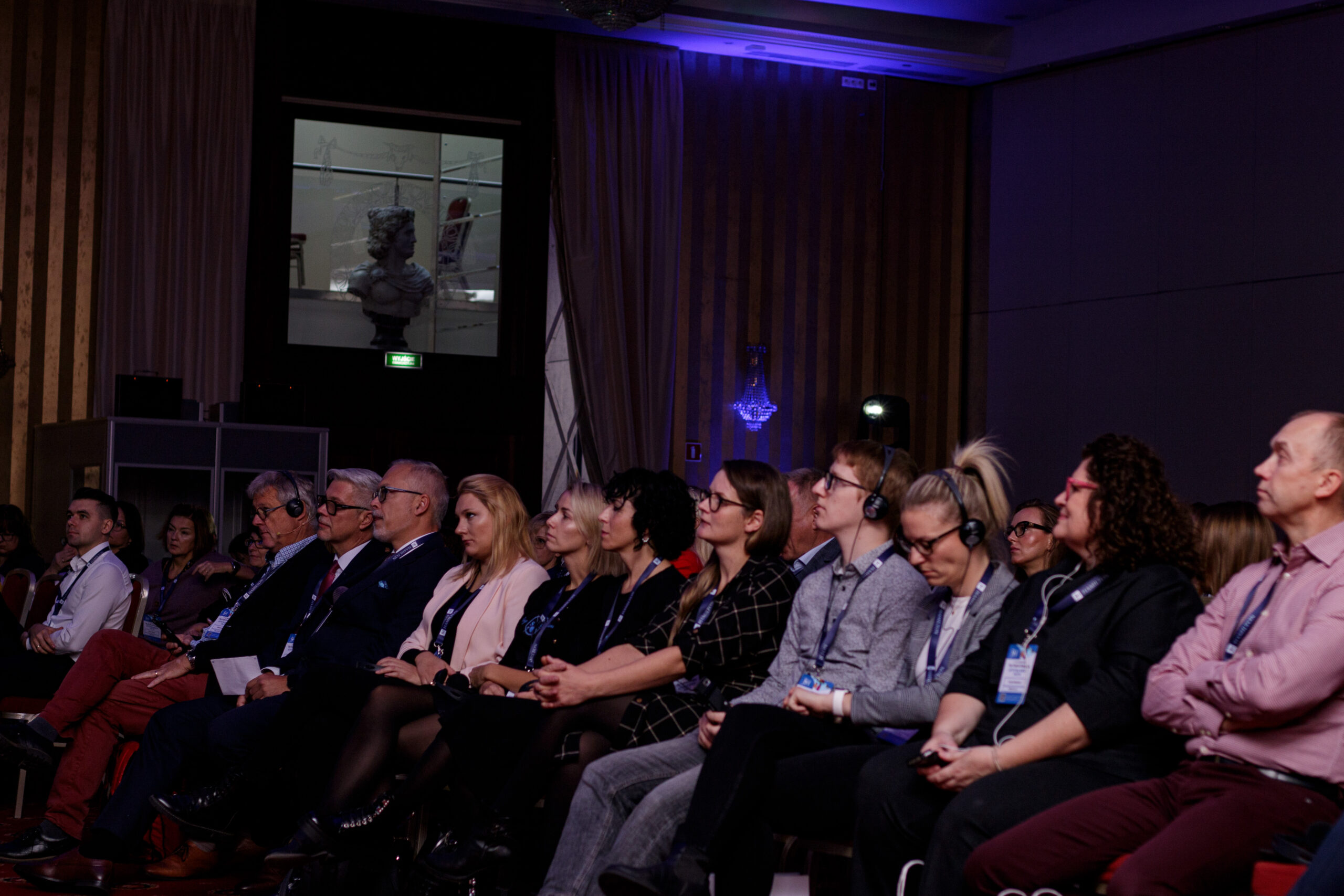
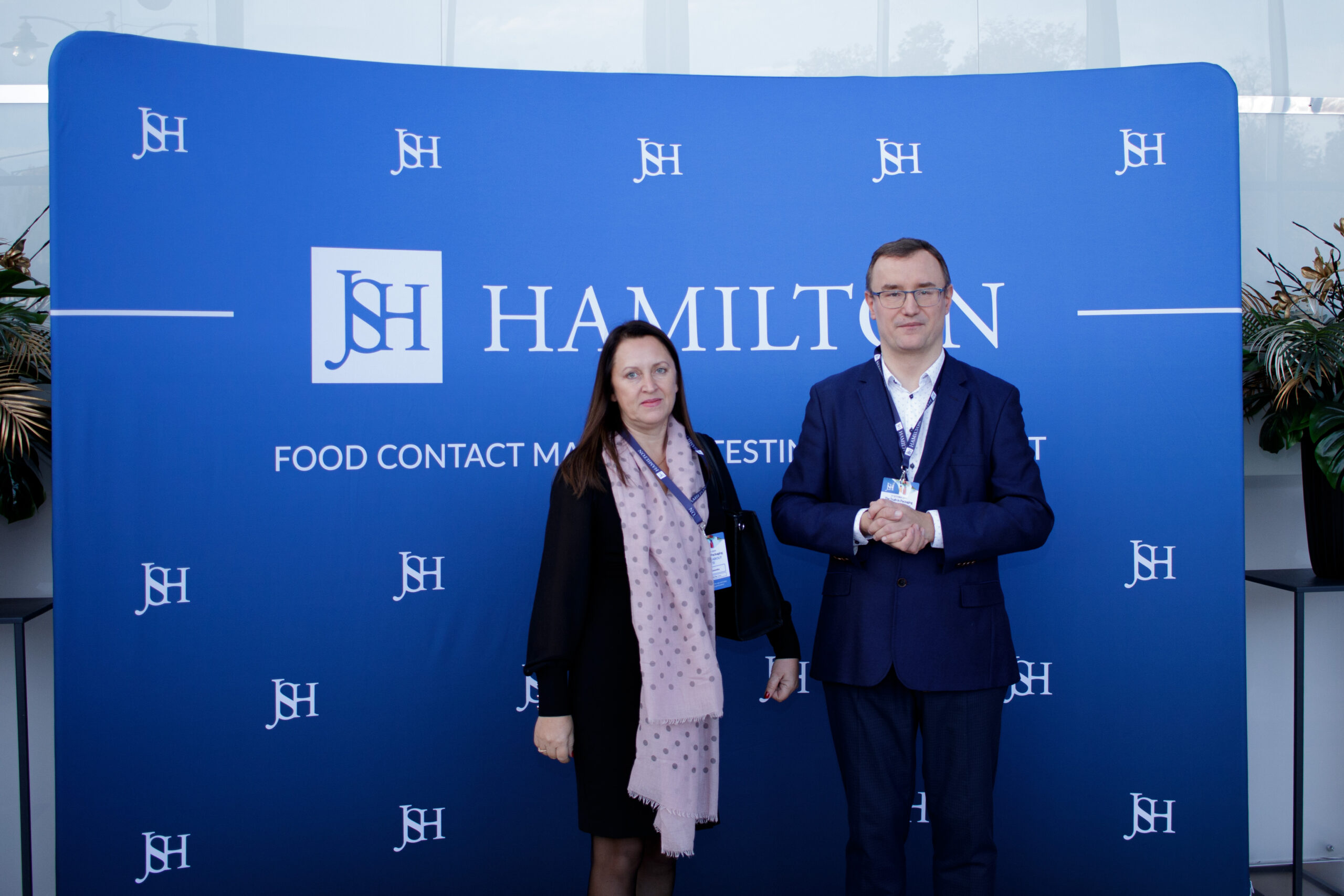
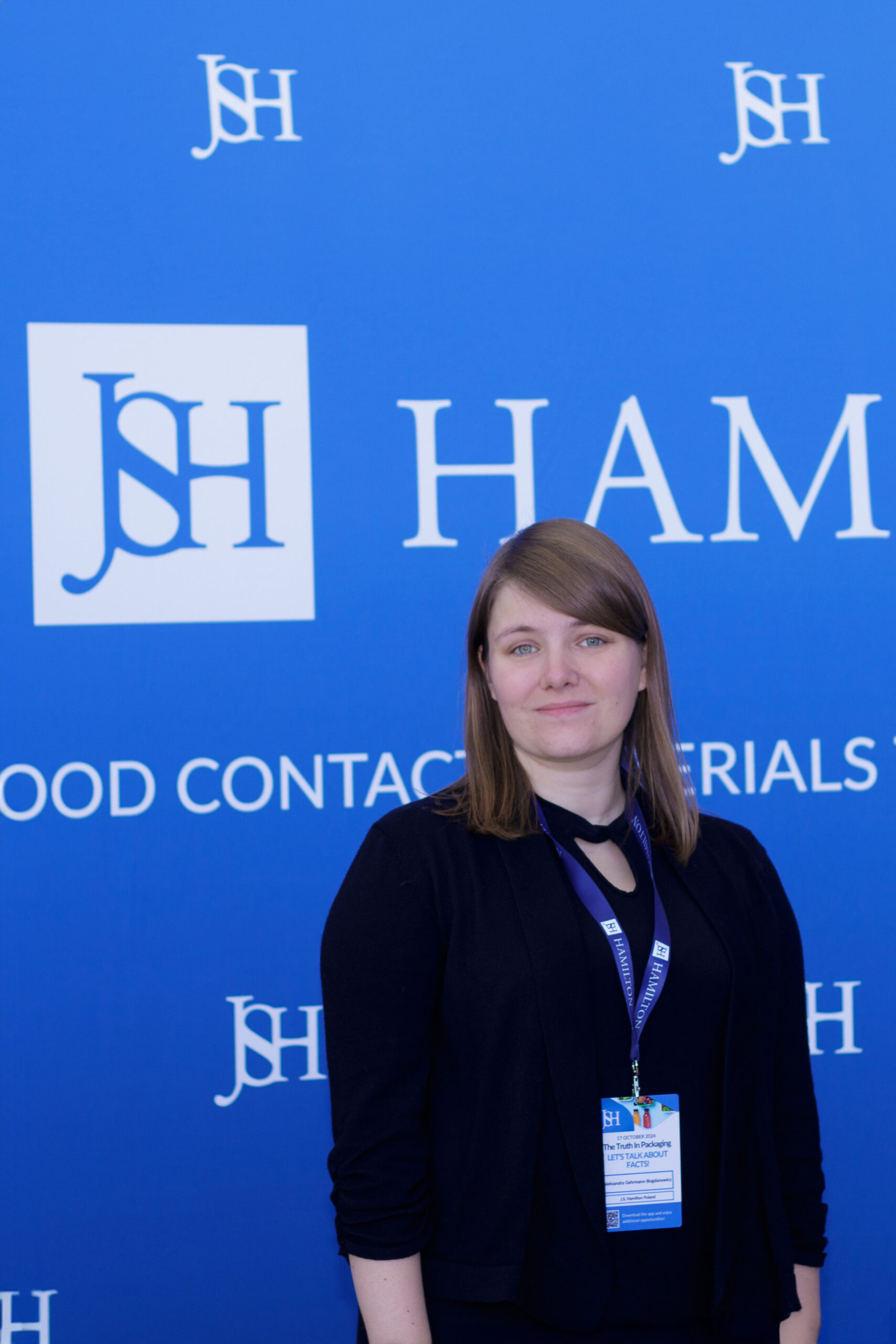
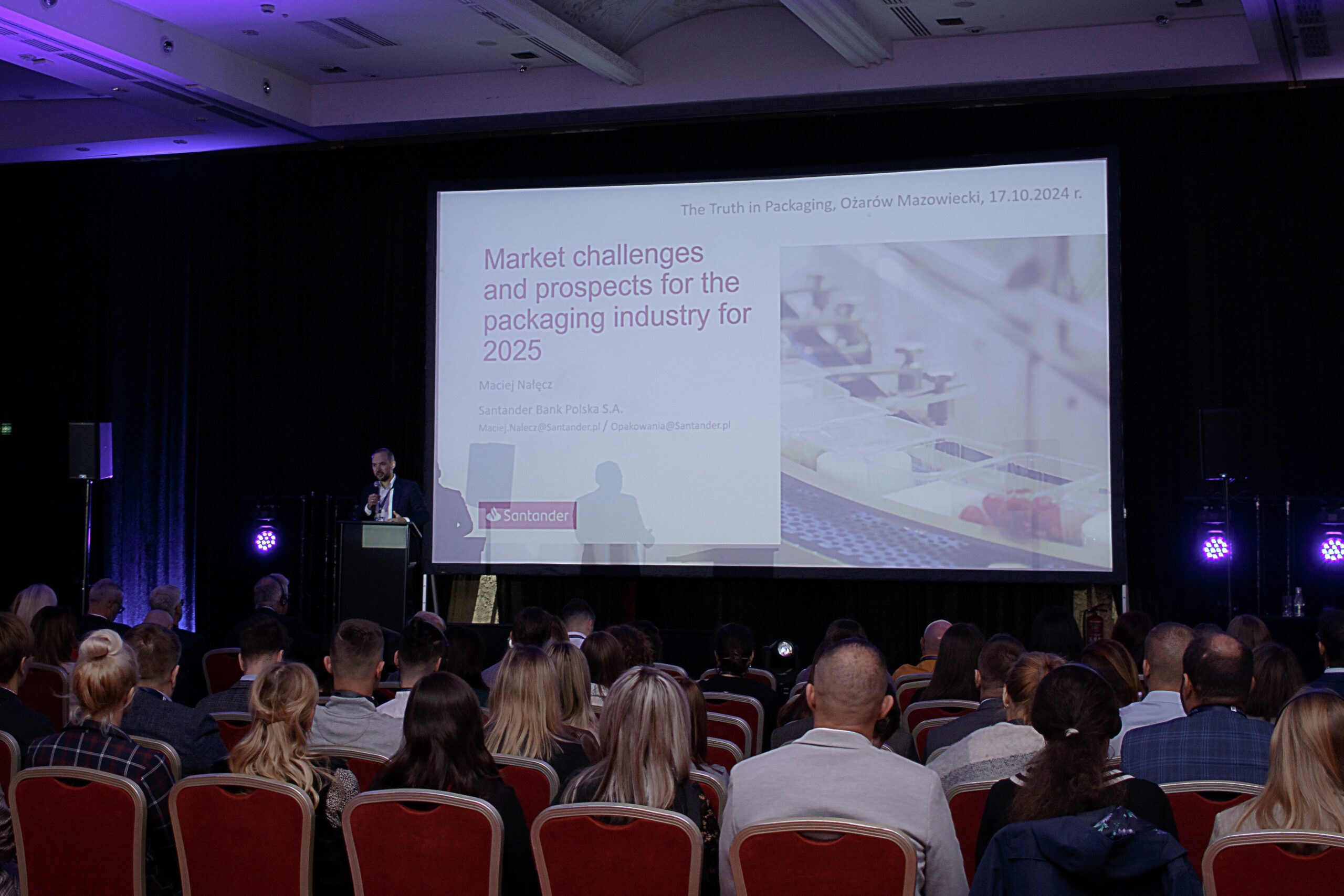
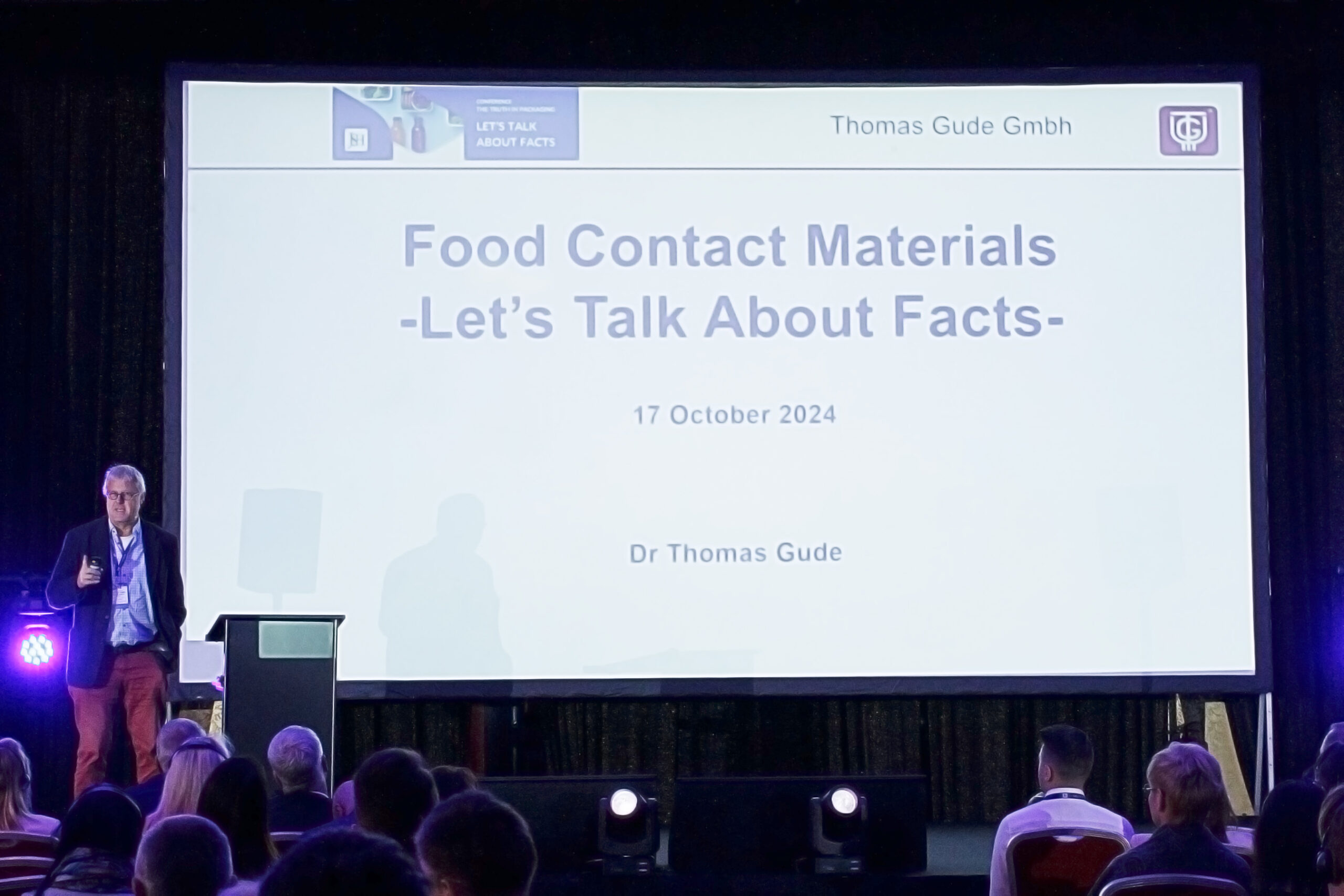
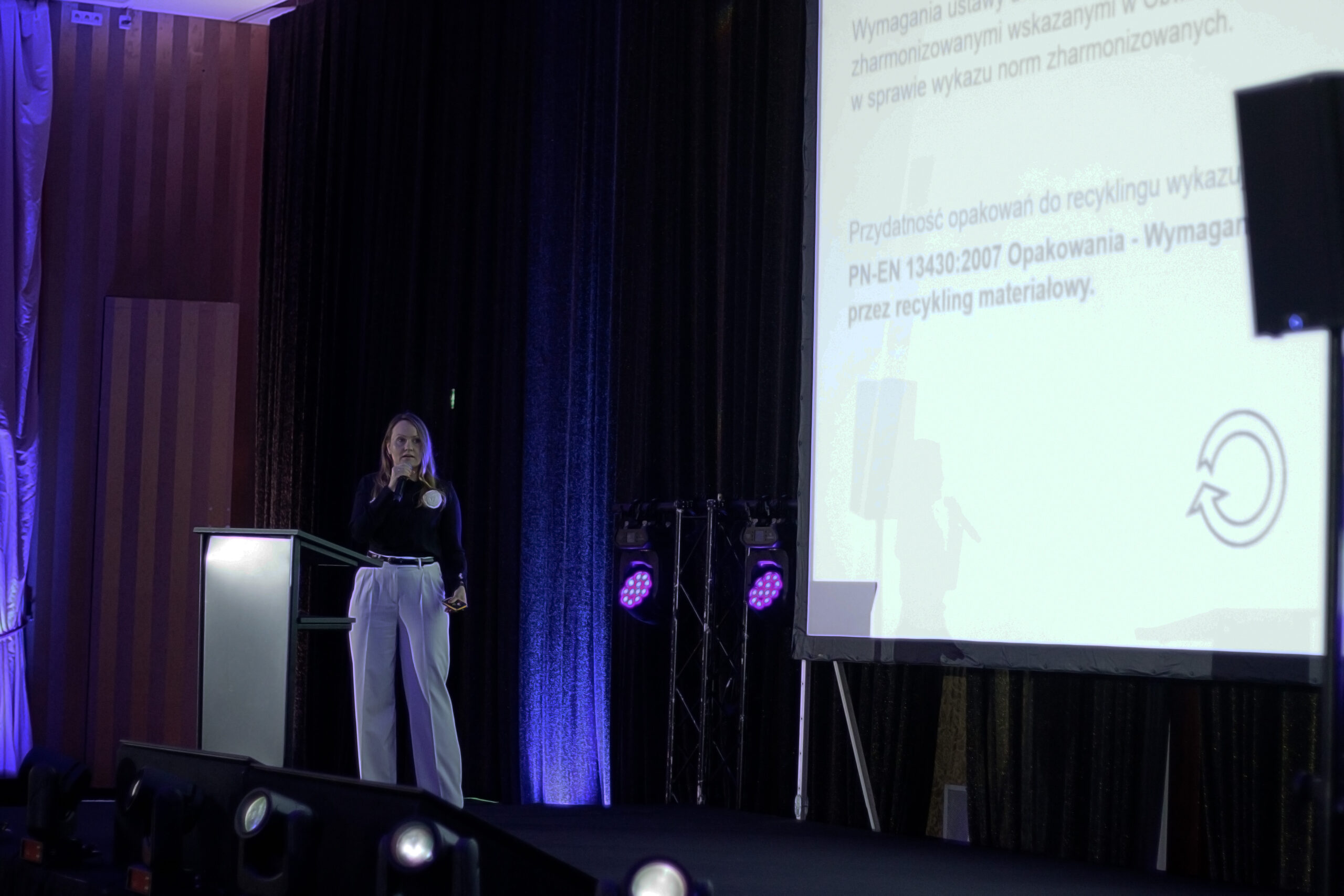
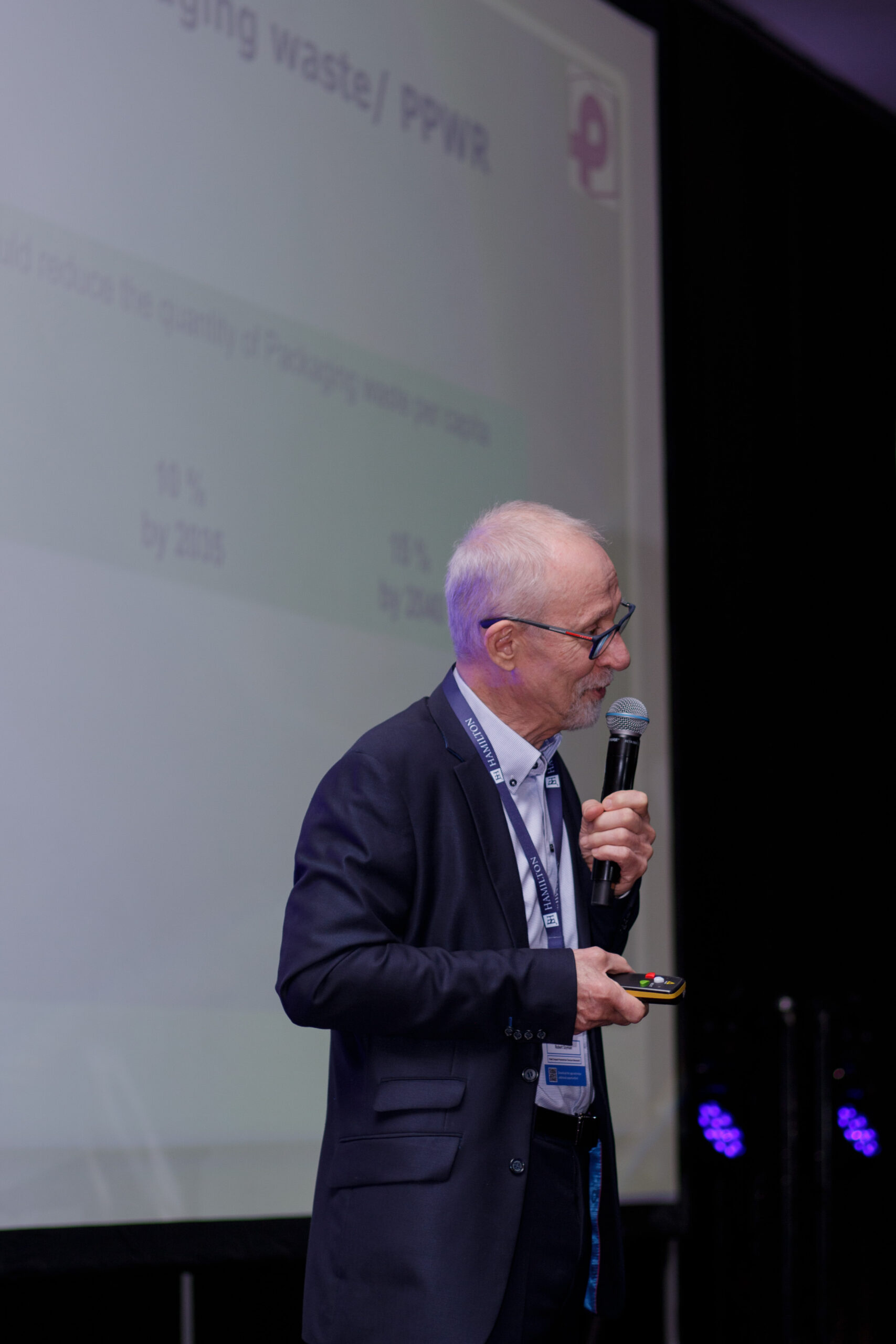
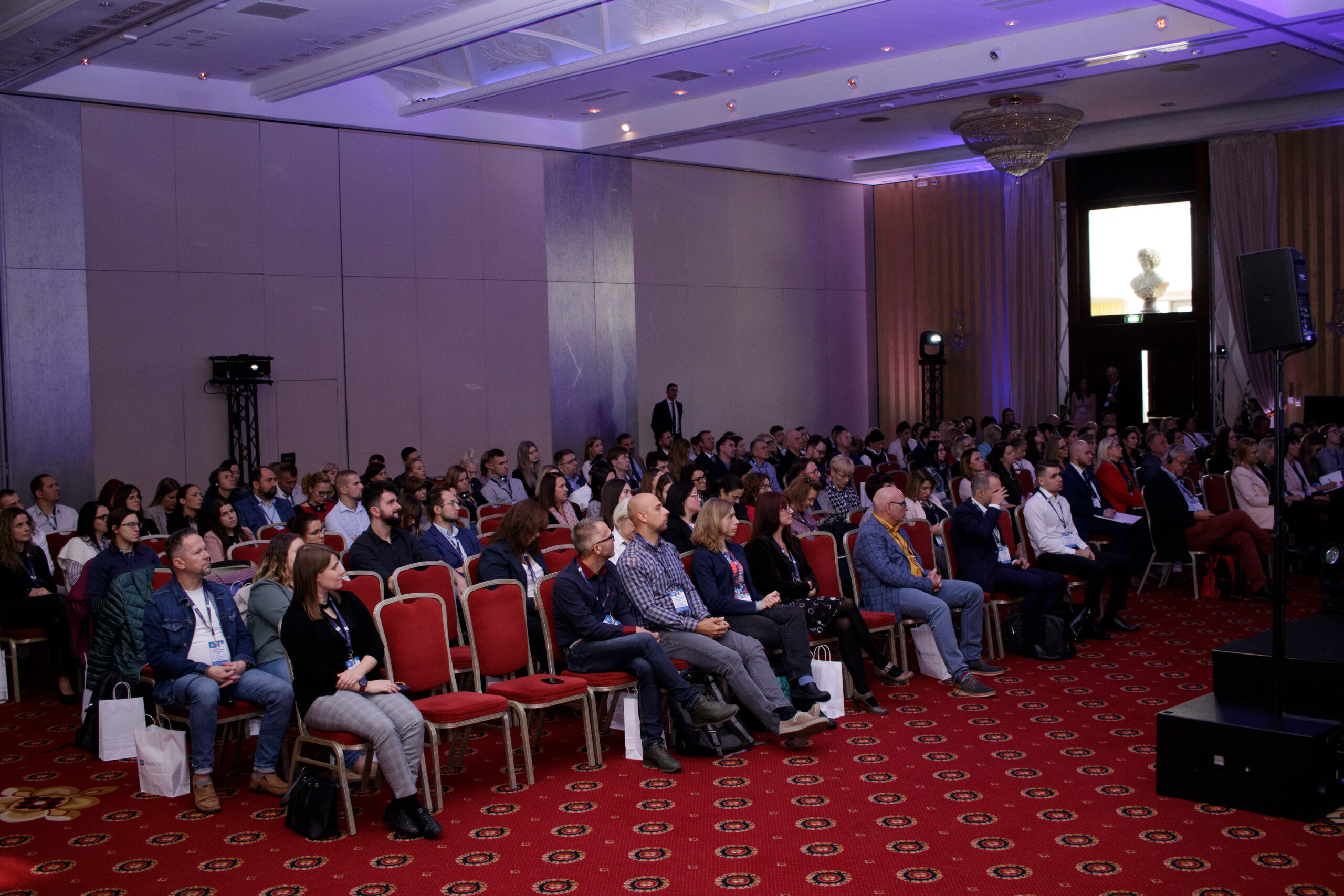
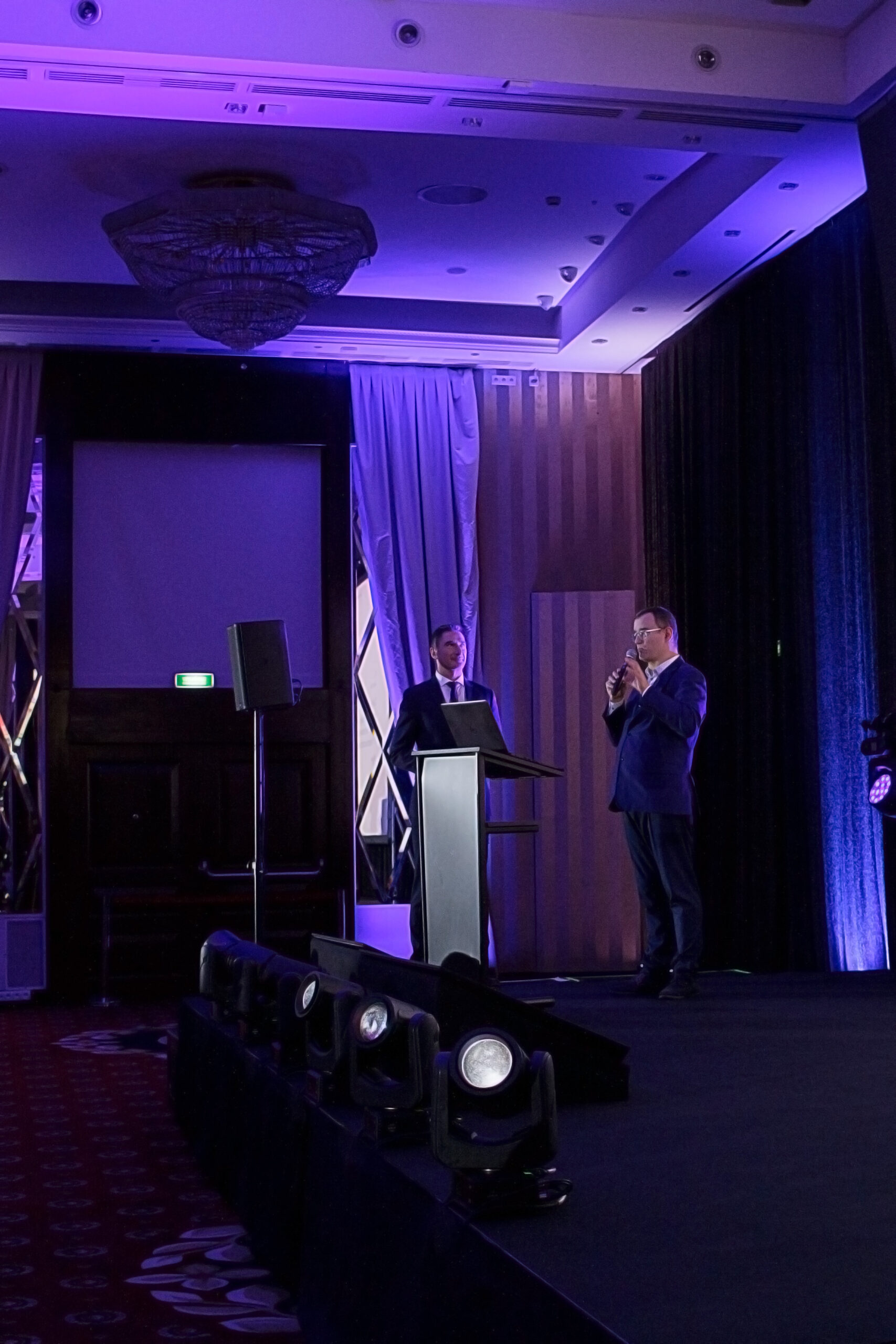
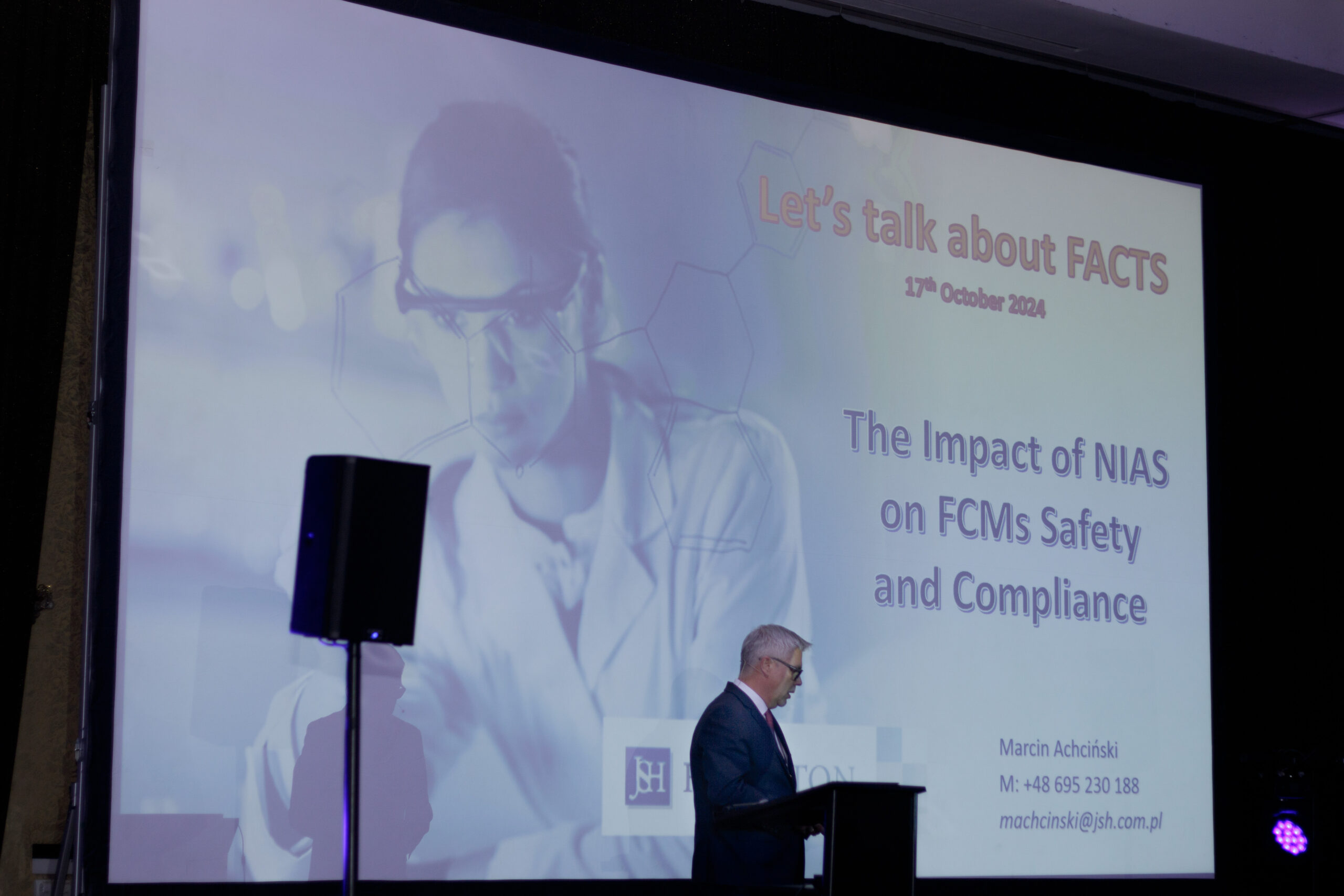
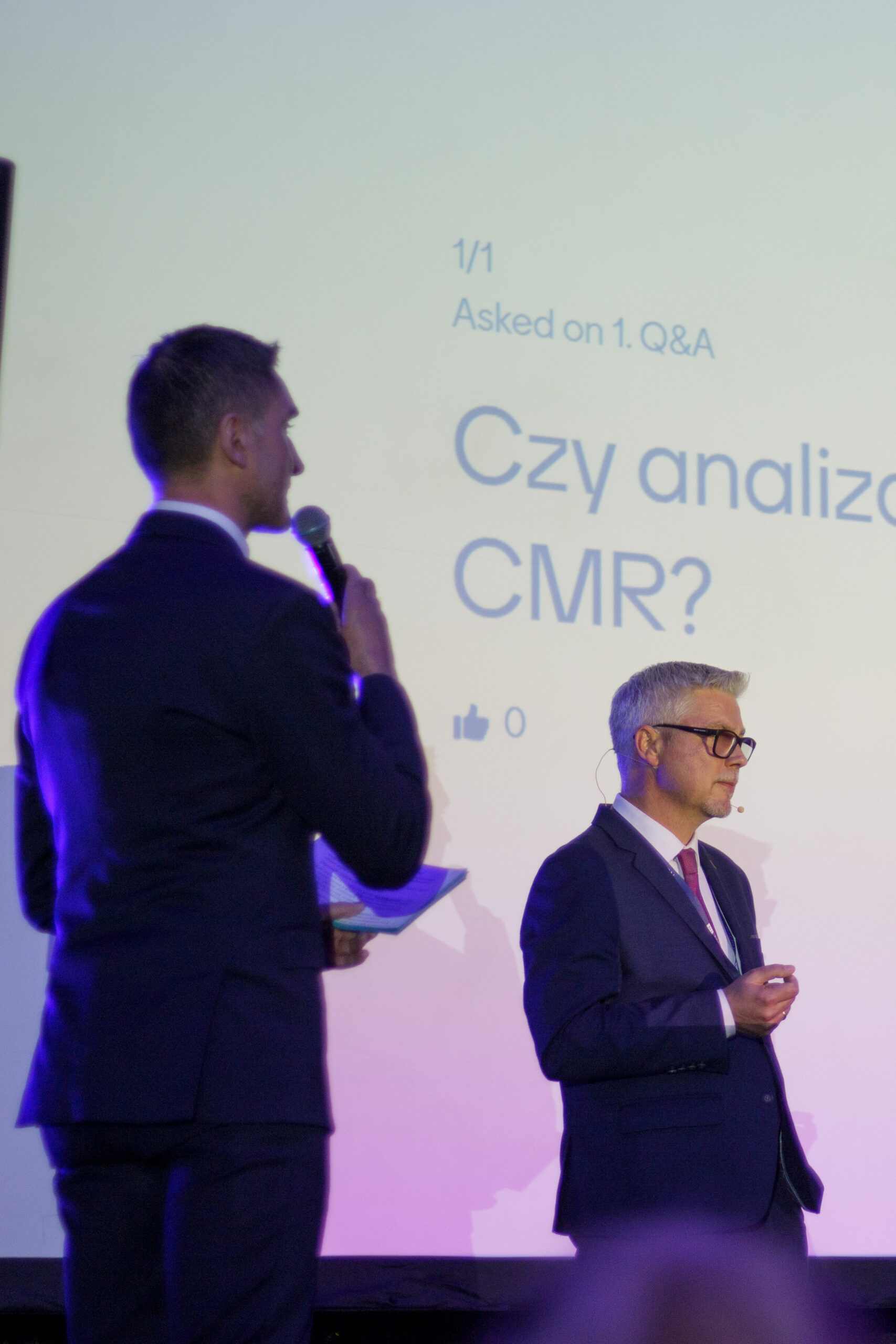
The Truth in Packaging: Let’s Talk About Facts Conference organised by the packaging and consumer products research industry laboratory J.S. Hamilton Poland is behind us. The event took place on 17 October 2024 in Ozarow Mazowiecki and brought together experts from the packaging industry. Our key strength was the substantive value of the presentations, while the main objective was to provide participants with knowledge and up-to-date information that addresses the current challenges faced by manufacturing companies in the sector.
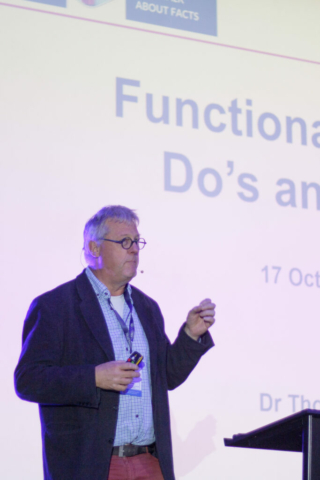
The conference focused on important aspects related to packaging, such as its safety, regulation and sustainability. The series of speeches was kicked off by Industry Director Michal Pestka with a keynote address, followed by speakers from various fields discussing the challenges faced by the sector – increasing recycling requirements, producer responsibility and the introduction of new materials to the market.

This year’s event featured prominent J.S. Hamilton experts, including:

  • Adam Fotek (Research Expert)
  • Marcin Achciński (Competence Center Director)
  • Aleksandra Gehrmann-Bogdanowicz (Microbiological Analysis Expert)

And invited industry experts:

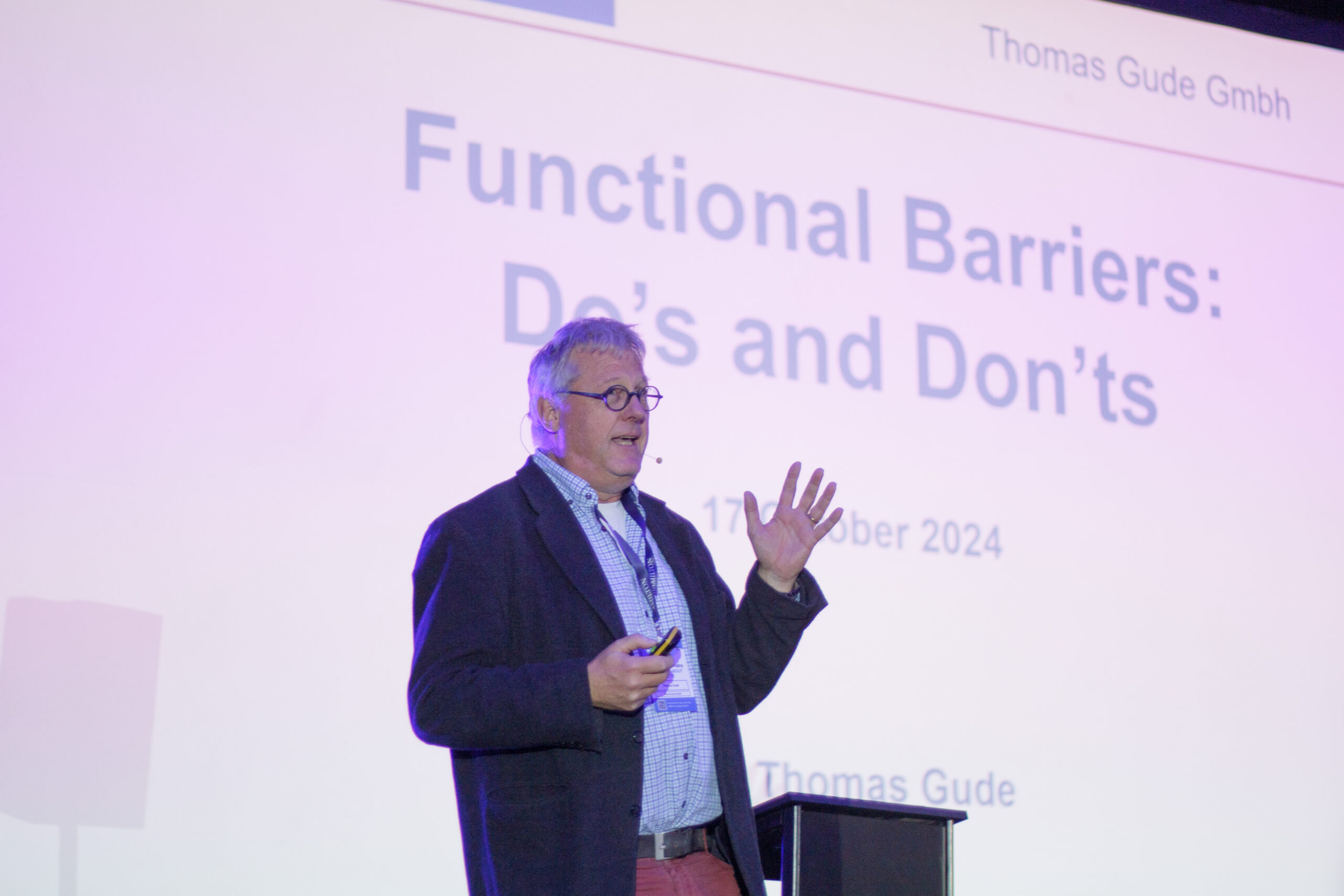
  • Dr Thomas Gude (Independent Consultant and Founder of the Consulting Company ‘Thomas Gude GmbH’)
  • Robert Szyman (General Director of PZPTS)
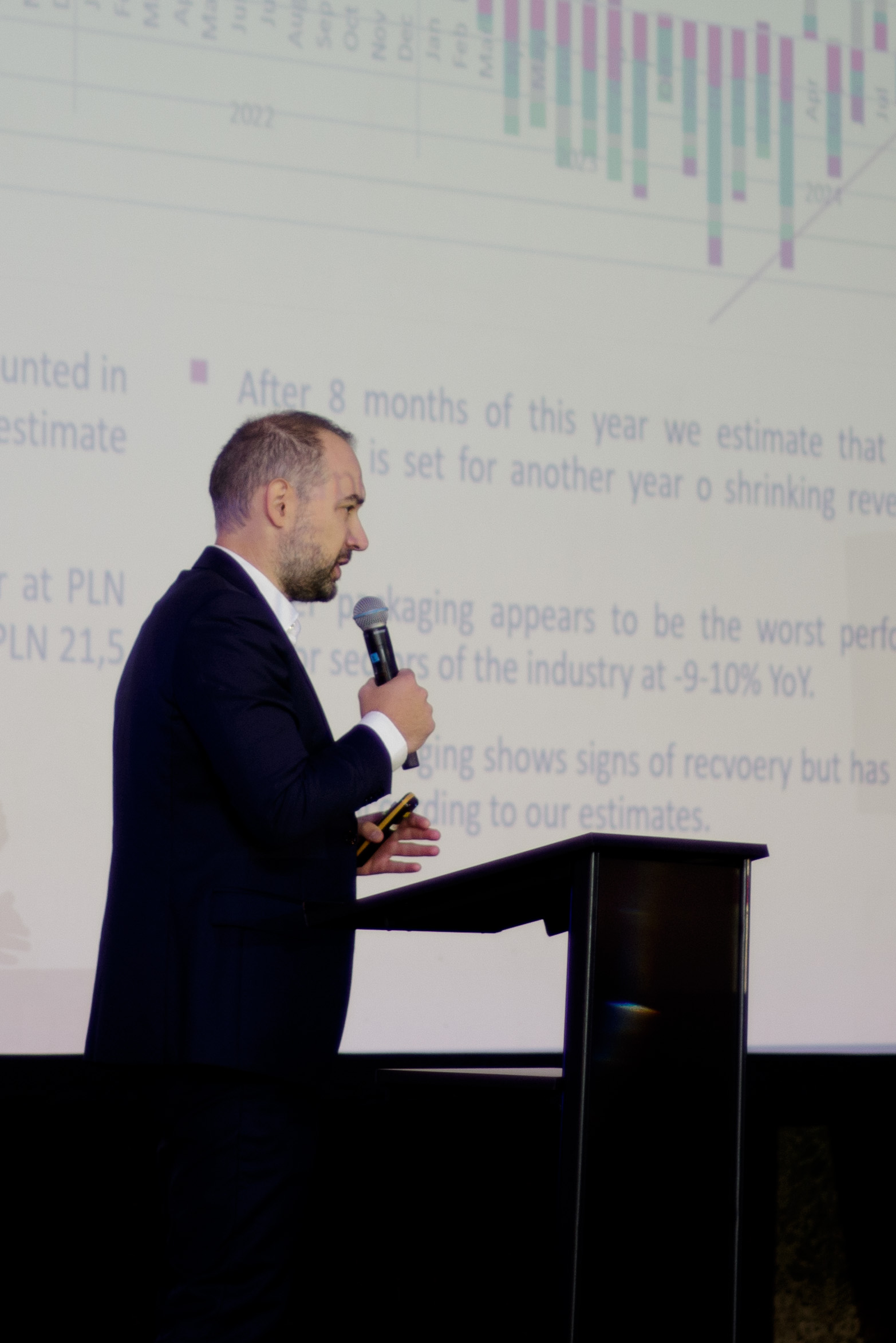
  • Maciej Nałęcz (Trend and Strategy Funding Policy Analyst at Santander Bank Polska)
  • Marta Krawczyk (Environmental Product Development Manager at SGS Poland)
  • Ludwig Coenen (Business Development Director at KÖR Group).

During the numerous presentations, we had the opportunity to explore topics related to the future of the packaging industry, new legal regulations and innovative solutions to increase environmental performance. Particular attention was paid to the safety of materials for food and cosmetic contact, as well as the chemical and microbiological analysis of packaging.

For us, the conference became not only a place to exchange knowledge, but also an excellent opportunity to establish new business relations and networking. The evening banquet summed up a day full of inspiring speeches.
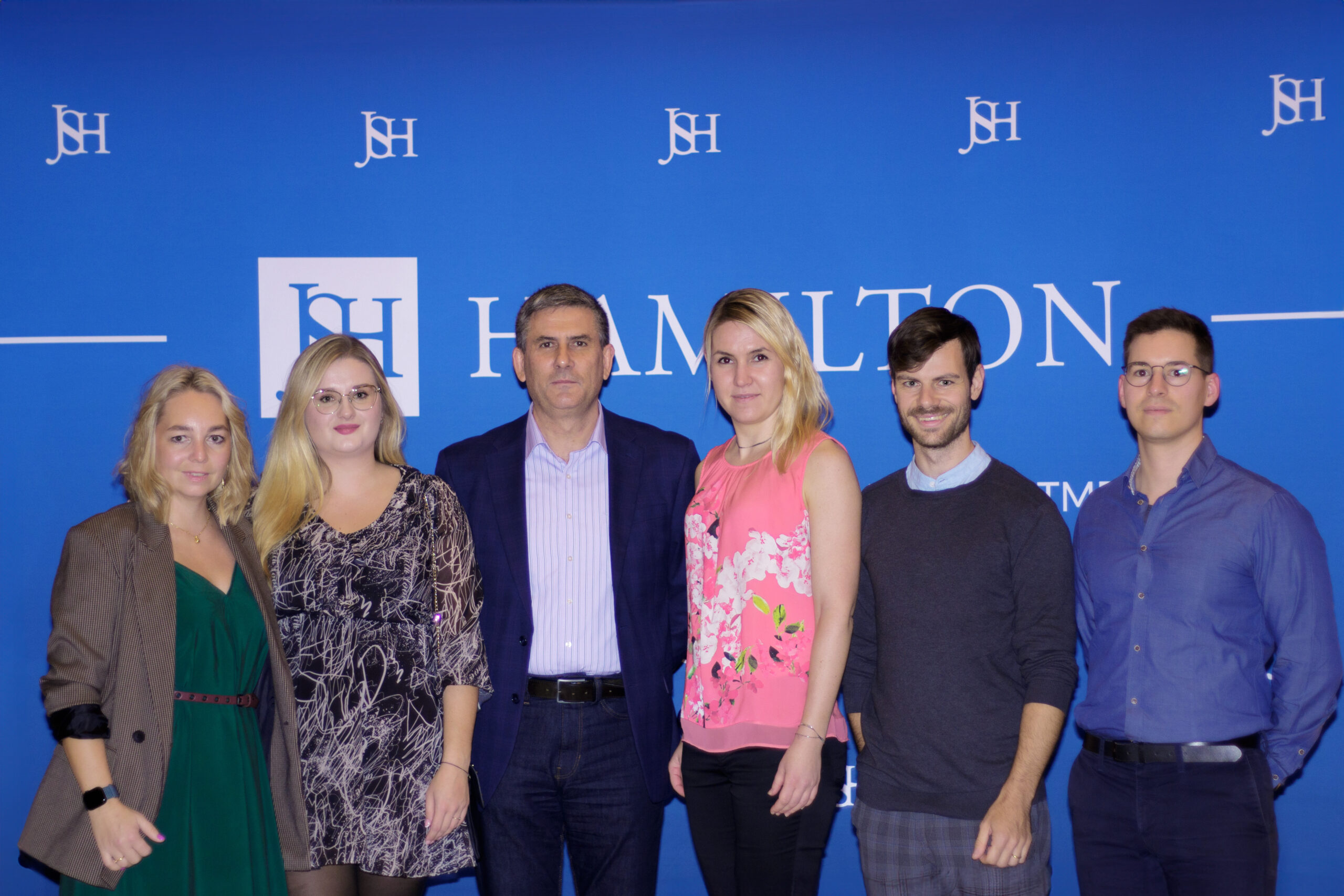
We would like to thank all the participants for their active participation and the speakers for their inspiring speeches.
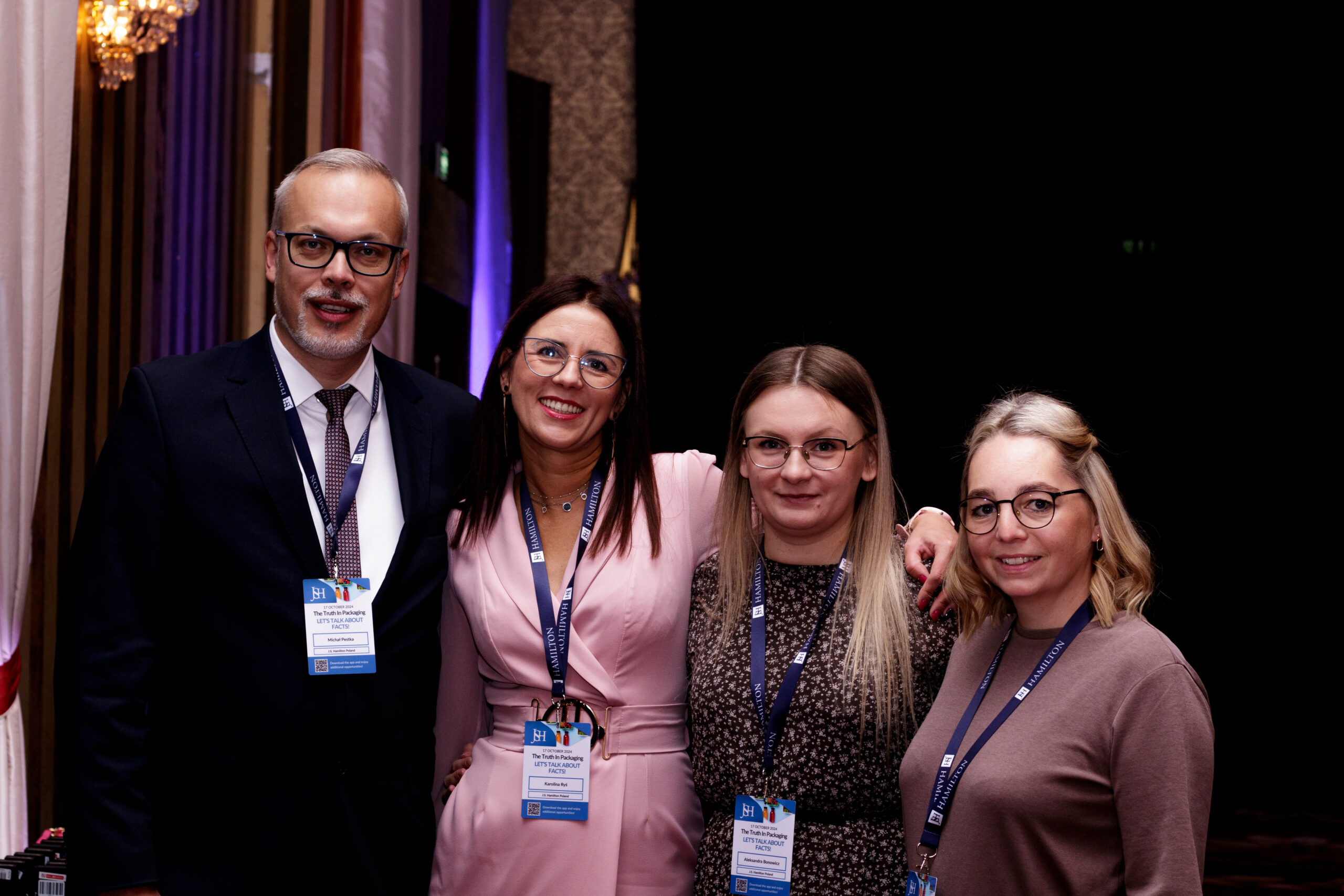
See you there!

Conference The Truth in Packaging: LET’S TALK ABOUT FACTS

The J.S. Hamilton Laboratory kindly invites you to the international* conference entitled: The Truth in Packaging: LET’S TALK ABOUT FACTS, which will take place on October 17 2024, at the MCC Mazurkas Conference Centre & Hotel in Ozarów Mazowiecki (near Warsaw, Poland).

We would like to invite you to the new edition of our event, dedicated to packaging professionals worldwide, due to the annual interest in the Discussion Panels.

AGENDA:
8.00 – 9.00 Registration
9.00 – 9.25 The Truth in Packaging: LET’S TALK ABOUT FACTS. Welcome Speach
9.30 – 10.05 Maciej Nałęcz Market challenges and prospects for the packaging industry for 2025
10.05 – 10.10 Q&A
10.10 – 10.40 Thomas Gude Food Contact Material: Let’s talk about facts!
10.40 – 10.45 Q&A
10.45 – 11.25 Marta Krawczyk Suitability for recycling of packaging as a new legal requirement in the perspective of PPWR
11.25 – 11.30 Q&A
11.30 – 12.00 COFFEE BREAK
12.05 – 12.35 Robert Szyman Challenges in packaging design, production and recycling in the presence of new regulations
12.35 – 12.40 Q&A
12.40- 13.10 Thomas Gude How to test Recyclates and New Materials;
13.10 – 13.15 Q&A
13.15 – 13.45 Adam Fotek The Beauty of Compliance: Understanding New Cosmetic Packaging Standards;
13.45 – 13.50 Q&A
13.50 – 14.20 Aleksandra Gehrmann-Bogdanowicz Bacteria vs. fungi in packaging microbiomes: a case study
14.20 – 14.25 Q&A
14.20 – 15.20  LUNCH BREAK
15. 25 – 16.05 Adam Fotek Safety First: Key Legal Updates in Food Contact Materials
16.05 – 16.15 Q&A
16.15 – 16.50 Marcin Achciński The impact of NIAS on FCMS safety and compliance
16.50 – 17.00 Q&A
17.00 – 17.35 Ludwig Coenen Regulation(EU) 2022/1616 in the PET supply chain
17.35 – 17.45 Q&A
17.45 – 18.15 Thomas Gude Functional Barriers: Do’s and Don’ts;
18.15 – 18.25 Q&A
18.25 – 18.30  THE END OF THE CONFERENCE
20.00 EVENING BANQUET

Dinner and a music party with DJ at MCC Mazurkas Conference Centre & Hotel.

* Lecture in Polish, simultaneous translation into English
* Lecture in English, simultaneous translation into Polish
 

We focus on the substantive content of the event in the safety and quality management perspective of packaging and food contact materials.

The cost of the event is €140 and includes participation in the conference with an evening banquet.

We strongly encourage you to attend the event.

Registration is closed.


Happy Easter!

We wish you a healthy, cheerful Easter, ful of peace, spring joy and warmth. May this time be filled with optimism and moments of relaxation with your friends and loved ones. 

Merry Christmas and Happy New Year!

We wish our Customers and Business Partners a peaceful time, full of Christmas Eve warmth and special moments spent with your loved ones. 

May the coming New Year bring you prosperity and satisfaction. 

AGING TESTS – LIGHT AND UV RESISTANCE

Producers and users of products often wonder how long my product will retain its physical, mechanical, strength properties or whether it will retain its external appearance, color and luster during its use and operation.

Xenon and UV aging tests, which we perform at the J.S. Hamilton Poland laboratory, will help determine the characteristics of your products. They are subjected to daylight, moisture and rain and can degrade. Specialists have the knowledge and technical capabilities to verify the effects of the above factors on the surfaces of samples. We carry out accelerated aging tests that simulate the natural atmospheric conditions under which the tested item is used.

We are able to determine how much your products will retain their physical and mechanical properties and appearance. We use methods that check the resistance to conditions in different latitudes of the world, and we subject samples to aging tests that simulate processes occurring after 2,3 or more years.

In our laboratory, we carry out tests according to the following standards:

  • PN-EN IEC 60068-2-5:2018 – Environmental tests – Part 2-5: Tests – S test: Mapping of solar radiation occurring on the earth’s surface and guidelines for testing the effects of solar radiation and weather conditions,
  • PN-EN ISO 4892-1:2016-06 – Plastics – Methods of exposure to laboratory light sources – Part 1: General principles,
  • PN-EN ISO 4892-2:2013-06 – Plastics – Methods of exposure to laboratory light sources – Part 2: Xenon arc lamps,
  • PN-EN ISO 16474-1:2014-02 – Paints and varnishes – Methods of exposure to laboratory light sources – Part 1: General remarks,
  • PN-EN ISO 16474-2:2014-02 – Paints and varnishes – Methods of exposure to laboratory light sources – Part 2: Xenon arc lamps.
  • PN-EN ISO 4892-3 Plastics – Methods of exposure to laboratory light sources – Part 3: UV fluorescent lamps.

Depending on the research program, appropriate min. parameters are selected :

  • number and length of cycles
  • light filter
  • irradiation level
  • length of light and dark periods
  • sample moistening (spraying)
  • temperature during exposure to light as in the darkness
  • relative humidity in the chamber during exposure to light as in darkness

The test should be conducted until the intended exposure time or radiation dose is achieved. After the test, the samples are subjected to visual and dimensional inspection, strength tests and functional tests.

In case of questions or concerns, J.S. Hamilton Experts remain at your disposal.

Feel free to contact us by email: siemianowice-marketing@jsh.com.pl or use the contact form.

European Commodity Exchange in Warsaw

On October 12-13 in Warsaw, the European Commodity Exchange took place . The event, which brings together the most important representatives of the agro-food sector, had the opportunity to host Central and Eastern Europe for the first time in its long tradition.

The 63rd edition of the European Commodities Exchange was one of the important events on the calendar of J.S. Hamilton and the industry as a whole. It is not only an excellent opportunity to make contacts and present your offerings, but also to participate in a series of meetings with representatives of the entire sector from around the world.

This year J.S. Hamilton served as a gold sponsor of the fair and we were pleased to host our partners at a 36-meter booth located in the heart of the European Commodity Exchange right next to the networking area. It was the perfect place to establish new business relationships and solidify ties with existing partners.

As an accredited testing laboratory, J.S. Hamilton offers a comprehensive inspection service for import and export goods at all Polish ports, as well as in Latvia, Lithuania and Estonia, and we provide quantitative and qualitative inspection of goods stored in warehouses in the country and the European Community.

We would like to thank the organizers of the Grain and Feed Chamber for the invitation and the opportunity to participate in such an important event!

If you have any questions or concerns, J.S. Hamilton Experts remain at your disposal.

Contact Form

Increase knowledge about the safety of your supplements

Product awareness is growing among consumers. Recipients are increasingly verifying compositions, seeking information on studies conducted, and choosing products most suited to their needs.

Trends in healthy eating and supporting the body with dietary supplements have forced manufacturers and distributors to pay more attention to the quality of pharmaceuticals and confirm it with independent research. Although dietary supplements are not drugs and are not subject to the same stringent regulations, growing consumer awareness is challenging them to subject their products to the best possible scrutiny.

The choice of remedies and their availability is virtually unlimited. Widespread advertising, however, is not an adequate incentive for informed consumers. Information about product efficacy and safety also plays an important role. Recipients increasingly pay attention to whether a product has been tested by accredited testing laboratories. Keeping in mind the growing knowledge of consumers, more and more supplements are checked by testing methods based on polish and international standards (PN & ISO).

At the J.S. Hamilton laboratory, we test, among other things:

  • microbiological safety,
  • pyrrolizidine and tropane alkaloids,
  • pesticide residues,
  • heavy metal content,
  • vitamin and mineral content,
  • stability of the dietary supplement,
  • various types of physicochemical parameters,
  • as well as many other parameters.

It is worth noting that dietary supplements of adequate quality can be a valuable addition to a balanced diet, but as long as they are not properly controlled, one cannot be sure of the quality of the available products. By raising awareness about the safety of a product, through research confirming its composition, it is easiest to build trust in products.

At J.S. Hamilton, we provide the highest quality of customer care and closely tailored offerings.

If you have any questions or concerns, J.S. Hamilton Experts are at your service.

Contact Form